Ever tried to manage a doctor’s visit while juggling work, family, symptoms, reminders, insurance questions, and that one password you swear you saved somewhere? The midi health patient portal exists for exactly that kind of real-life healthcare moment: when you need one practical place to keep your care moving without feeling buried in admin.
For Midi patients, the portal experience matters because Midi care is built around virtual visits, secure communication, records, follow-ups, and personalized treatment planning. Midi says its care is available in all 50 states with insurance coverage for virtual visits and prescriptions, while its help center explains that patients currently use the Midi Portal alongside an Athenahealth-powered patient portal for medical records and communication.
The easiest way to understand the setup is this: one portal helps you manage the logistics of care, and the other holds the more clinical side of your care journey. Once you know which one does what, logging in, preparing for a visit, finding notes, checking test results, or messaging your care team becomes much less confusing.
This guide walks through how the Midi and Athenahealth portals work together, what you can do inside each one, how to prepare for a smooth virtual appointment, and what to do when something does not load, sync, or arrive the way you expected.
What Is the midi health patient portal?
The midi health patient portal is best understood as a connected care access system rather than a single simple login screen. Midi’s help center explains that it uses two specialized portals: the Midi Portal for scheduling and logistics, and the Athena Portal for clinical records, secure messages, visit summaries, and test results.
A patient portal, in plain English, is a secure online doorway into parts of your healthcare experience. Instead of waiting for phone calls or digging through emails, you can use it to manage appointments, review health information, send messages, and keep track of care details that are easy to forget after a busy visit.
Geode Health offers supportive mental health services designed around each patient’s individual needs. Its professionals provide thoughtful care for a range of emotional, psychological, and behavioral concerns.
The Two-Portal Setup, Explained Simply
Midi’s system separates practical appointment tasks from clinical record tasks. According to Midi, the Midi Portal is the main hub for scheduling and logistics, where patients can view clinician availability, book visits, reschedule, cancel, complete pre-visit health questionnaires, and manage certain prescription-related options.
The Athenahealth portal is the clinical side. Midi describes it as the place to message your care team, contact billing and payments, attach outside documents such as lab results, review visit notes, read care plan details, and view processed test results.
Why This Setup Can Actually Be Helpful
At first, two portals may sound like extra work. But there is a practical reason for the split: scheduling and clinical records are different jobs. Appointment tools need to help you find times, confirm visits, and move quickly; medical record tools need to protect sensitive information, support secure communication, and organize clinical history.
Once you know the difference, the workflow becomes easier. Use the Midi Portal when you need to book, cancel, reschedule, fill out a questionnaire, or find the “start visit” button. Use Athena when you need to message your clinician, look for visit notes, access test results, or manage health record details.
Parsley Health is a physician-led healthcare company that provides personalized, whole-body medical care. Its approach combines conventional medicine with functional medicine to explore the underlying factors contributing to persistent health concerns instead of focusing only on temporary symptom relief.
Patients receive support from board-certified clinicians and nutrition professionals who review their medical history, lifestyle, symptoms, and laboratory results. Based on these findings, the care team develops an individualized plan that may address nutrition, sleep, stress, physical activity, medication, and other treatment options.
Parsley Health commonly supports people experiencing concerns related to digestive health, hormonal balance, energy, immunity, metabolism, and long-term wellness. Care is available virtually across the United States, with in-person services also offered in New York City and Los Angeles.
How to Log In to the midi health patient portal
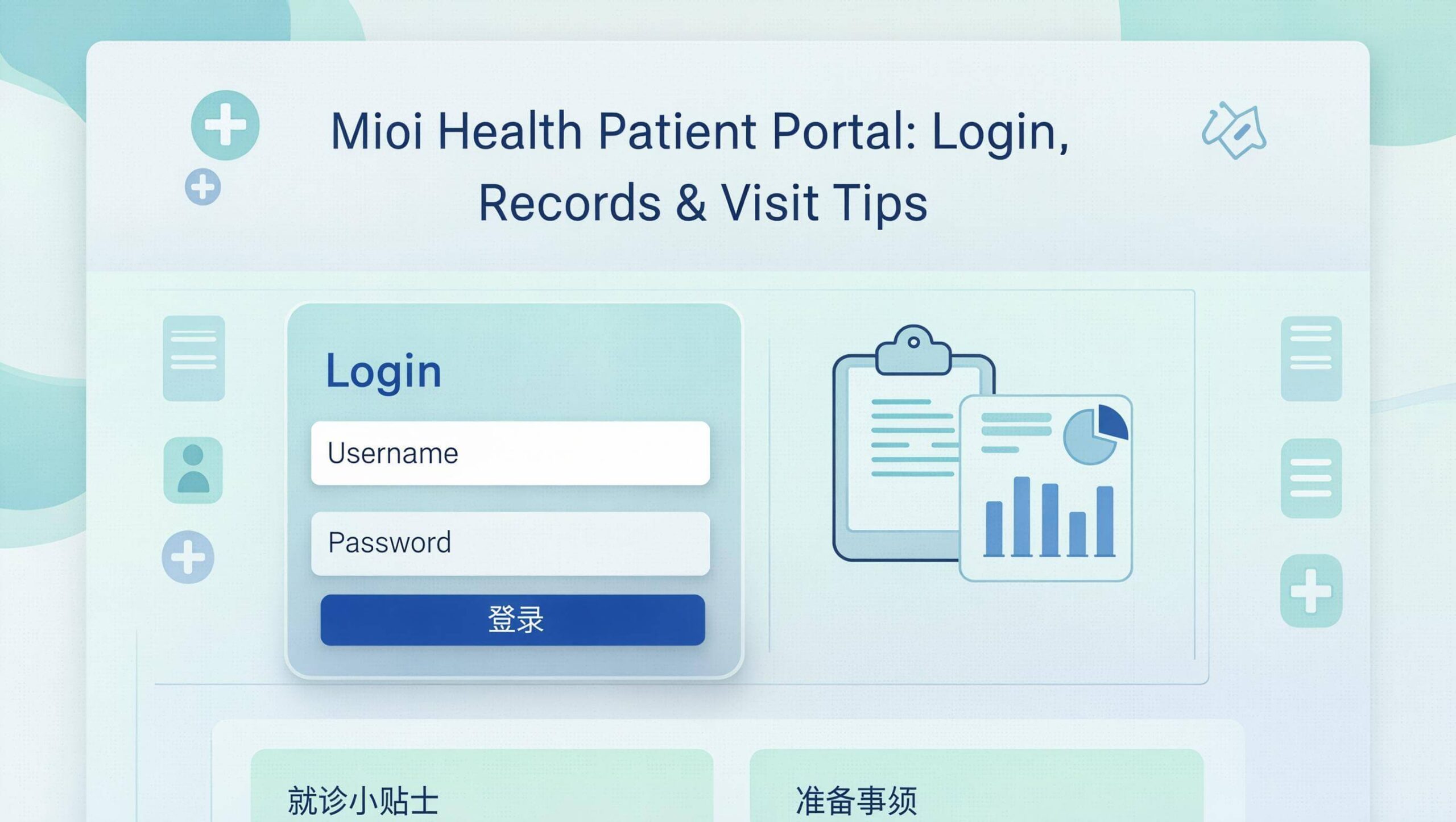
To access the midi health patient portal, start with the Midi Portal login page and enter the email address you used when signing up. Midi says it sends a one-time password or authentication code by email or text, which you then enter to complete sign-in.
For first-time access to the Athenahealth patient portal, Midi says patients may need to create a dedicated patient portal password. The setup begins from a prompt in the Midi Portal, then an Athenahealth email provides the link to set and confirm the password.
Step-by-Step Login Flow
Use this sequence when you are trying to get in without bouncing between tabs:
- Go to the Midi Portal login page.
- Enter the email address connected with your Midi account.
- Check your email or texts for the authentication code.
- Paste or enter the code on the login screen.
- Open the patient portal link from the menu when you need Athenahealth.
- Use your Athenahealth password for clinical records and secure messages.
If the code does not appear, check spam, promotions, and any inbox filters. Also make sure you are using the same email address you used when you registered for Midi; a different address can make it look like the account does not exist.
What to Do the First Time You Use Athenahealth
First-time portal setup can feel a little fussy, but it is usually a one-time task. Midi’s instructions say new users should follow the prompt to send an email from Athenahealth, open the link in that email, and create a password by entering it twice.
After that, you can return to Athena through the left-side “patient portal” link inside the Midi Portal or by using the Athenahealth portal link directly. Athenahealth also notes that its patient tools can help users access personal health information, securely message care teams, view upcoming appointments, self-schedule appointments, and more.
What You Can Do Inside the Midi Portal
The Midi Portal is where the practical rhythm of your care begins. Think of it as your appointment command center: it helps you handle the before-and-after logistics that make a virtual visit possible.
Common tasks include booking a first or follow-up visit, seeing available appointment times, rescheduling when life gets in the way, canceling when needed, completing questionnaires, and finding the link to start your visit. Midi says booking a first virtual visit can take less than 10 minutes, and its process includes confirming coverage, choosing a visit time, and completing a health questionnaire before meeting with a clinician.
Read about Midi Health Careers: Jobs, Culture, Benefits & Tips Guide.
Preparing for a Visit
Preparation is one of the easiest ways to get more from a virtual appointment. Midi recommends completing all sections of the health questionnaire 24 hours before the appointment so the clinician has time to review your history and concerns.
That questionnaire is not busywork. It gives your clinician context about symptoms, health history, medications, goals, and concerns before the visit starts. If you are dealing with hot flashes, sleep disruption, irregular periods, mood changes, sexual wellness concerns, weight changes, hair or skin shifts, or other midlife health questions, writing them down before the visit can help you remember what matters.
Finding Your Visit Link
Midi says your visit link may appear in several places: a calendar invite if you added the appointment to your calendar, the “start visit” button in the Midi Portal, reminder text messages sent the day of the visit, and an Athenahealth reminder email.
For the smoothest experience, join five minutes before the scheduled start time. Midi recommends using a desktop or laptop when possible for better camera quality, although many patients may still use a smartphone or tablet if that is what they have available.
What You Can Do Inside Athenahealth
If the Midi Portal is the front desk, Athenahealth is closer to your digital medical folder. This is where the more sensitive clinical information lives, including records, messages, visit notes, care plan details, billing conversations, and lab or test results when they are processed.
The midi health patient portal experience can feel much more organized when you treat Athena as your “after the visit” home base. After a consultation, this is where you are most likely to look for written details that were discussed out loud, especially if your plan includes medications, lifestyle recommendations, lab work, imaging, or follow-up timing.
Secure Messaging With Your Care Team
Midi says the best way to contact your clinician for medical questions is by sending a secure message through the patient portal. That matters because portal messaging keeps the conversation tied to your medical record instead of scattered across phone calls or personal email.
Use secure messaging for non-emergency clinical questions, follow-up clarification, medication questions, and updates your clinician asked you to send. For urgent symptoms or emergencies, do not use portal messaging as a substitute for immediate help; Midi’s contact page tells patients to call 911 for a medical emergency.
Visit Notes and Care Plan Details
A virtual visit can cover a lot in a short period of time. You may talk through symptoms, treatment options, risks, benefits, insurance concerns, prescription timing, lab orders, or follow-up plans. Even when the conversation is excellent, it is normal to forget details afterward.
That is why visit notes are valuable. Midi says Athena allows patients to access “Visit Notes” to review consultation details and the personalized care plan discussed with the clinician. Reading those notes after the appointment can help you understand next steps and prepare better questions for the next visit.
Test Results and Health Records
Athenahealth says test results can be accessed through the Patient Portal under the “Test Results” tab. Its FAQ also explains that patients can download health records by logging in, selecting “My Health,” opening the “Health Records” tab, and choosing a time window for download, email, or exchange with another provider.
This can be especially useful if you have several clinicians involved in your care. For example, you may want your primary care doctor, OB-GYN, oncologist, endocrinologist, therapist, or another specialist to understand what was discussed with Midi. Having records available makes coordination easier.
Why Patients Use Midi Health for Midlife Care
Midi focuses on women’s midlife health, including perimenopause, menopause, sexual wellness, sleep, mood and memory, weight, hair and skin, and cancer survivorship support. Midi states that its clinicians specialize in women’s midlife health, and its clinician-facing information says care plans may include hormonal, non-hormonal, and lifestyle-based solutions.
That focus matters because many midlife symptoms can overlap. Sleep issues may affect mood. Hormonal shifts may affect sexual health, skin, hair, weight, and energy. A good portal does not replace the clinician, but it helps keep the conversation organized so your care does not depend on memory alone.
Virtual Care With Follow-Up
Midi describes its visits as virtual, with follow-ups designed to keep patients on track. For patients who live far from specialists, have packed schedules, or feel dismissed in traditional settings, being able to prepare, meet, message, and review notes online can make care feel more reachable.
Still, virtual care works best when the patient participates actively. That means completing forms, joining on time, keeping your technology ready, reading visit notes, reporting side effects or concerns, and following lab or imaging instructions when ordered.
Getting Ready for a Successful Virtual Visit
Midi’s visit checklist gives practical advice that is easy to overlook until something goes wrong. Patients should complete the questionnaire, confirm the appointment by replying “YES” to the confirmation text, test their device, use a camera and microphone, disable pop-up blockers, allow microphone access, close apps that may use audio, and choose the correct headphones or speakers.
Your environment matters too. Midi asks patients to join from a quiet, private place and says clinicians will end an appointment if a patient is in a moving vehicle. Midi also notes that patients should be in their home state unless an out-of-state visit was arranged in advance, because clinician licensing and availability may affect care.
A Simple Pre-Visit Checklist
Before your appointment, take ten quiet minutes and run through this list:
- Finish your health questionnaire at least 24 hours ahead of time.
- Write down your top three symptoms or concerns.
- List current medications, supplements, allergies, and recent changes.
- Test your camera, microphone, speaker, and internet.
- Keep your phone nearby in case your clinician needs to reach you.
- Open the visit link five minutes early.
- Sit somewhere private, still, and well lit.
This small amount of preparation can change the tone of the visit. Instead of spending half the appointment fixing tech, searching for dates, or trying to remember a medication name, you can focus on the conversation you came for.
Common Login and Access Problems
When the midi health patient portal does not work the way you expect, the problem is often simple: wrong email, delayed code, expired link, browser trouble, private browsing, pop-up blockers, muted tabs, or a device setting blocking camera or microphone access.
Midi’s technical guidance recommends leaving and rejoining a session if you are having issues, testing your network connection, and using at least 2 Mbps upload and download speed. It also recommends checking camera, speaker, and microphone settings, avoiding incognito or private browsing, making sure the browser tab is not muted, and turning off a VPN before joining a visit.
If Your Code Does Not Arrive
Start with the basics. Refresh your inbox, check spam and promotions folders, search for “Midi” or “Athena,” and confirm that you are looking at the right email account. If you use multiple email addresses, try the one you used when booking or registering.
If the code still does not arrive, avoid requesting too many codes too quickly because that can make it harder to know which one is current. Wait a moment, request a new code, and use the newest message.
If the Athenahealth Link Does Not Work
If your Athena setup link has expired or will not open, go back through the Midi Portal and use the patient portal link again. You can also use the “Forgot your password” option on the Athena sign-in page if you already created a password but cannot remember it.
Athenahealth recommends using an internet-enabled device with an up-to-date version of Chrome, Microsoft Edge, Mozilla Firefox, or Safari for portal technical issues. If browser updates and password reset steps do not solve the problem, contact the provider’s office or Midi support for help.
Privacy, Records, and Communication
Patients often wonder whether portal messages are private. Midi describes the Athenahealth portal as privacy-protected, and its own guidance points patients with medical questions toward secure messages rather than ordinary customer support channels.
It is still smart to practice basic digital safety. Use a strong password, avoid sharing login codes, sign out on shared devices, keep your email account secure, and be careful when connecting outside health apps to your records. Athenahealth notes that patients can choose which data they share with personal health record apps, but also warns that outside apps may keep previously downloaded information even after access is revoked.
Updating Contact Information
Correct contact information is more than a convenience; it affects reminders, codes, billing notices, and appointment messages. Athenahealth says patients can review and edit contact information in the Patient Portal by opening the profile area, selecting contact preferences, and making updates.
If you recently changed your phone number, moved, updated your insurance, switched email addresses, or stopped using an old inbox, update your information before your next appointment. Many “portal problems” begin with outdated contact details.
Billing, Insurance, and Cost Questions
Midi says it is accepted by major insurers and that patients can enter insurance information when confirming coverage and booking. It also states that Midi is available in all 50 states with insurance coverage for virtual visits and prescriptions.
For copays and plan details, Midi recommends contacting your insurance provider to understand benefits, responsibilities, in-network and out-of-network coverage, and to request a Summary Plan Description if you need detailed coverage information.
What to Ask Before Your Visit
Insurance language can be confusing, so keep your questions specific. Ask your insurance company:
- Is Midi Health in network for my plan?
- What is my copay or coinsurance for a virtual specialist visit?
- Do I need prior authorization?
- Are labs, imaging, or prescriptions handled separately?
- Is there a deductible I must meet first?
- Are follow-up visits covered the same way as the first visit?
Getting these answers ahead of time helps you avoid surprises and makes it easier to decide how to schedule follow-up care.
When to Contact Support Instead of Your Clinician
A good rule of thumb: clinical questions go through secure portal messaging; scheduling and technical issues usually go through the Midi Portal or support; billing and insurance questions go through the request process Midi provides for those topics.
Contact your clinician through the patient portal for questions about symptoms, medications, care plan instructions, side effects, lab guidance, or follow-up concerns. Contact support for login problems, visit-link issues, scheduler trouble, billing questions, or appointment logistics.
When It Is an Emergency
Do not use the midi health patient portal for emergency care. If you are experiencing severe symptoms, a possible medical emergency, thoughts of self-harm, chest pain, trouble breathing, signs of stroke, heavy bleeding, or any situation that feels immediately dangerous, call emergency services or go to the nearest emergency department.
Portal messages are useful, but they are not designed for instant emergency response. Even a responsive care team may not see a message quickly enough in a true emergency.
How to Make the Most of Your Portal Between Visits
The real value of a portal often shows up between appointments. That is when questions surface, symptoms change, medication side effects appear, lab results arrive, or you realize you need to clarify a recommendation.
Use the portal as a care notebook. After a visit, read the notes while the conversation is still fresh. Save questions for your next appointment. Track symptom changes in plain language. Mention timing, severity, triggers, and anything that improved or worsened the issue.
Keep Your Messages Clear
A clear message makes it easier for your care team to respond well. Include the reason you are writing, when the issue started, what you have already tried, and what you need help deciding.
For example, instead of writing, “I feel weird on this,” try: “I started the new medication on Monday. Since Wednesday, I have had nausea in the morning and mild headaches in the afternoon. Should I keep taking it as directed or adjust anything?” This gives the clinician something concrete to work with.
FAQ
Is the midi health patient portal the same as Athenahealth?
No. Midi uses the Midi Portal for scheduling and logistics, while Athenahealth supports clinical records, secure messaging, visit notes, billing communication, and test results. The two work together, but they are not the same login experience.
How do I find my Midi visit link?
Midi says visit links can appear in calendar invites, the “start visit” button in the Midi Portal, reminder texts sent the day of the visit, and an Athenahealth reminder email. Join about five minutes early so you have time for any last-minute checks.
Why do I need a one-time code?
The one-time code helps confirm that the person signing in has access to the email address or phone number connected with the account. Midi says patients enter their email and receive an authentication code by text or email to complete sign-in.
Can I message my clinician through the portal?
Yes. Midi says medical questions should be sent as secure messages through the patient portal. This keeps your question connected to your care record and separates clinical communication from general customer service requests.
Where can I see lab or test results?
Athenahealth says test results are available through the Patient Portal under the “Test Results” tab after they are processed. Midi also says Athena is where patients can view results for labs or tests ordered by a Midi clinician.
What should I do if I cannot join my visit?
First, leave and rejoin the session. Then check your internet connection, camera, microphone, speaker, browser permissions, pop-up settings, muted tabs, Bluetooth connections, private browsing, and VPN settings. Midi says patients who miss a visit because of technical issues can reschedule through the Midi scheduler.
Can I download my health records?
Yes. Athenahealth says patients can download health records by logging into the portal, selecting “My Health,” opening “Health Records,” choosing a time window, and selecting whether to download, email, or exchange the records with another provider.
Should I use the portal for urgent medical problems?
No. Use the portal for non-emergency communication and routine follow-up. Midi’s contact page says to call 911 if you are experiencing a medical emergency.
Conclusion
The midi health patient portal is not just a login page; it is the practical bridge between your virtual visits, your care team, your records, and the next step in your health plan. Once you understand the split between the Midi Portal and Athenahealth, the whole experience becomes easier: schedule in one place, communicate and review records in the other, and use both to stay prepared.
Good care should not feel like a scavenger hunt. With the right login steps, a few pre-visit habits, and a clear sense of where to find messages, notes, test results, and support, the portal can help you feel more organized, informed, and confident from one appointment to the next.