A sudden change in your menstrual cycle can feel confusing, stressful, and sometimes even alarming. If you’ve recently asked yourself, why is my period early, you’re definitely not alone. Many women experience unexpected cycle changes at different stages of life, and in most cases, there’s a reasonable explanation behind it.
Your menstrual cycle is closely connected to hormones, stress levels, lifestyle habits, sleep, nutrition, and overall health. Even small changes in your daily routine can sometimes affect when your period arrives. While an early period is often harmless, there are moments when it may signal an underlying issue worth paying attention to.
Understanding what’s happening in your body can help ease anxiety and give you a clearer sense of when to relax and when to seek medical advice. This guide explores the most common causes of an early period, what symptoms to watch for, and how hormonal shifts can impact menstrual timing.
Periods aren’t always perfectly predictable, and that’s more normal than many people realize.
Understanding the Menstrual Cycle
Before exploring possible causes, it helps to understand how the menstrual cycle actually works.
A typical menstrual cycle lasts between 21 and 35 days, though every person’s body is different. The cycle is controlled by hormones produced by the brain and ovaries, including:
- Estrogen
- Progesterone
- Follicle-stimulating hormone (FSH)
- Luteinizing hormone (LH)
These hormones work together to prepare the body for pregnancy each month. When pregnancy doesn’t occur, the uterine lining sheds, resulting in menstruation.
What Counts as an Early Period?
An early period generally means bleeding starts several days sooner than expected. For someone with a consistent cycle, even a small timing change can feel noticeable.
However, occasional irregularities are extremely common and can happen for many reasons.

Common Reasons Why Is My Period Early
Menstrual timing can shift due to both physical and emotional factors. Sometimes the cause is temporary, while other times it may require medical attention.
Stress and Emotional Changes
Stress is one of the most common reasons for cycle disruption. Emotional strain affects the hypothalamus, the part of the brain responsible for hormone regulation.
When stress levels rise, the body may:
- Delay ovulation
- Trigger hormonal fluctuations
- Cause spotting
- Lead to earlier or later bleeding
Major life events such as relationship problems, work pressure, grief, or anxiety can all impact menstrual timing.
Changes in Weight or Diet
Rapid weight loss or gain can influence hormone production. The body needs adequate nutrition and body fat to maintain a stable reproductive cycle.
Extreme dieting, restrictive eating, or sudden changes in eating habits may cause:
- Early periods
- Missed periods
- Lighter bleeding
- Hormonal imbalance
Women who experience intense calorie restriction may notice significant menstrual irregularities.
Hormonal Imbalances and Early Periods
Hormones play a central role in menstrual health, so even small disruptions can affect cycle timing.
Estrogen and Progesterone Fluctuations
An imbalance between estrogen and progesterone may cause the uterine lining to shed earlier than expected.
Possible symptoms include:
- Breast tenderness
- Mood swings
- Acne
- Fatigue
- Irregular bleeding
Hormonal fluctuations can happen naturally during different life stages.
Puberty and Teenage Years
Teenagers often experience irregular periods during the first few years after menstruation begins. The body is still learning how to regulate reproductive hormones consistently.
It’s very common for young girls to experience:
- Early periods
- Skipped cycles
- Heavy bleeding
- Spotting between periods
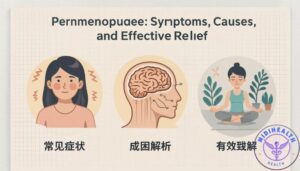
Perimenopause
Women approaching menopause may notice increasingly unpredictable cycles.
Perimenopause can cause:
- Shorter cycles
- Early periods
- Heavier bleeding
- Night sweats
- Hot flashes
Hormonal production naturally changes during this stage of life.
Why Is My Period Early After Stress or Anxiety?
Mental health and reproductive health are deeply connected.
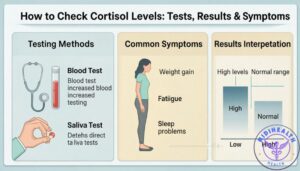
Cortisol and Hormone Disruption
When the body experiences stress, it produces cortisol, commonly called the stress hormone. Elevated cortisol levels can interfere with reproductive hormone signaling.
This hormonal disruption may trigger early bleeding or irregular cycles.
Sleep Problems and Cycle Changes
Poor sleep quality can also affect hormone balance. Women dealing with insomnia, shift work, or chronic fatigue sometimes experience menstrual irregularities.
Healthy sleep supports:
- Ovulation regulation
- Hormone production
- Stress reduction
- Metabolic balance
Even temporary sleep disruption can influence the menstrual cycle.
Birth Control and Medication Effects
Certain medications can affect the timing and flow of menstruation.
Starting or Stopping Birth Control
Hormonal contraceptives often change menstrual patterns, especially during the first few months.
Possible effects include:
- Early bleeding
- Spotting
- Lighter periods
- Missed periods
The body may need time to adjust to hormonal changes caused by birth control pills, patches, injections, or hormonal IUDs.
Emergency Contraception
Emergency contraception can temporarily disrupt hormone levels and shift menstrual timing.
Some women notice:
- An earlier period
- Delayed bleeding
- Heavier flow
- Increased cramping
These changes are usually temporary.
Other Medications
Certain medications may also influence menstrual cycles, including:
- Antidepressants
- Blood thinners
- Steroids
- Thyroid medications
- Chemotherapy drugs
If cycle changes persist after starting a medication, it’s important to speak with a healthcare provider.
Medical Conditions That May Cause Early Periods
Sometimes an early period may be linked to an underlying medical condition. More read about: Estradiol: Benefits, Functions, Levels, and Side Effects.
Thyroid Disorders
The thyroid gland regulates metabolism and hormone balance. Both hyperthyroidism and hypothyroidism can affect menstrual cycles.
Symptoms may include:
- Fatigue
- Weight changes
- Hair thinning
- Anxiety
- Irregular bleeding
Polycystic Ovary Syndrome (PCOS)
PCOS is a common hormonal condition affecting ovulation and reproductive hormones.
Although PCOS often causes missed periods, some women experience irregular or early bleeding instead.
Additional symptoms can include:
- Acne
- Weight gain
- Excess facial hair
- Fertility challenges
Endometriosis
Endometriosis occurs when tissue similar to the uterine lining grows outside the uterus.
This condition may cause:
- Painful periods
- Heavy bleeding
- Spotting
- Early menstrual bleeding
- Pelvic discomfort
Early diagnosis is important for symptom management.
Lifestyle Factors That Affect Menstrual Timing
Your daily habits have a larger effect on reproductive health than many people realize.
Intense Exercise
Excessive exercise can influence hormone production, especially if combined with low calorie intake.
Athletes sometimes experience:
- Irregular periods
- Early periods
- Missed cycles
- Reduced estrogen levels
Balanced training and proper nutrition are essential.
Travel and Time Zone Changes
Long-distance travel can disrupt circadian rhythms and hormonal balance.
Jet lag, fatigue, and schedule changes may temporarily affect menstrual timing.
Alcohol and Smoking
Smoking and excessive alcohol use may interfere with hormone regulation and reproductive health.
Research suggests these habits can contribute to:
- Cycle irregularities
- Hormonal imbalance
- Fertility concerns
Pregnancy-Related Bleeding
Some women mistake implantation bleeding for an early period.
Implantation Bleeding vs Period
Implantation bleeding happens when a fertilized egg attaches to the uterine lining.
It’s usually:
- Lighter than a normal period
- Pink or brown in color
- Shorter in duration
If pregnancy is possible, taking a pregnancy test may help clarify the cause of unexpected bleeding.
Miscarriage and Early Bleeding
Unfortunately, bleeding in early pregnancy can sometimes indicate miscarriage.
Signs may include:
- Heavy bleeding
- Severe cramping
- Tissue passage
- Dizziness
Medical evaluation is important if these symptoms occur.
Why Is My Period Early With Severe Cramping?
Painful early bleeding can sometimes indicate a more serious issue.
Uterine Fibroids
Fibroids are noncancerous growths in the uterus that may cause:
- Heavy periods
- Pelvic pain
- Frequent urination
- Early bleeding
Fibroids are common, especially during reproductive years.
Pelvic Inflammatory Disease (PID)
PID is an infection affecting reproductive organs.
Symptoms may include:
- Pelvic pain
- Fever
- Unusual discharge
- Pain during intercourse
- Irregular bleeding
Prompt treatment is important to prevent complications.
When to See a Doctor
An occasional early period is usually not dangerous, but certain symptoms deserve medical attention.
Seek Medical Advice If You Experience:
- Heavy bleeding soaking through pads quickly
- Severe pelvic pain
- Bleeding lasting longer than usual
- Frequent irregular cycles
- Dizziness or fainting
- Bleeding after menopause
- Possible pregnancy complications
Tracking symptoms can help healthcare providers identify patterns and possible causes.
How Doctors Diagnose Early Period Causes
If menstrual irregularities continue, doctors may recommend testing.
Common Diagnostic Methods
Medical evaluation may include:
- Physical examination
- Blood tests
- Hormone testing
- Thyroid screening
- Ultrasound imaging
- Pregnancy testing
These tests help identify hormonal or structural causes.
Why Cycle Tracking Helps
Keeping a record of menstrual timing can provide valuable insight.
Tracking may include:
- Start and end dates
- Flow intensity
- Cramping severity
- Mood changes
- Spotting episodes
Menstrual tracking apps can make this process easier.
Supporting Hormonal Balance Naturally
Healthy habits may help regulate cycles and support overall reproductive health.
Focus on Nutrient-Dense Foods
A balanced diet supports hormone production and energy levels.
Helpful nutrients include:
- Iron
- Magnesium
- Omega-3 fats
- Vitamin D
- B vitamins
Whole foods often provide better long-term nutritional support than restrictive diets.
Manage Stress Effectively
Stress reduction can positively influence hormone balance.
Helpful practices may include:
- Meditation
- Walking
- Journaling
- Therapy
- Yoga
- Deep breathing exercises
Even small daily habits can improve overall well-being.
Prioritize Consistent Sleep
Sleep supports hormone regulation and nervous system recovery.
Aim for:
- Regular sleep schedules
- Reduced screen time before bed
- Adequate nighttime rest
- Stress management before sleep
Healthy sleep patterns benefit nearly every aspect of reproductive health.
Emotional Impact of Irregular Periods
Unexpected menstrual changes can create emotional stress, especially for women trying to conceive or monitor reproductive health.
Anxiety Around Cycle Changes
Many women immediately fear pregnancy, illness, or hormonal disorders when periods arrive unexpectedly.
While concern is understandable, occasional cycle changes are common and often temporary.
Body Awareness Matters
Paying attention to your body helps identify patterns and recognize when something feels unusual.
Understanding menstrual health empowers women to make informed healthcare decisions instead of relying on fear or misinformation.
FAQ
Is it normal to have an early period occasionally?
Yes, occasional cycle changes are very common and may happen due to stress, hormones, travel, or lifestyle changes.
Can stress really make my period early?
Yes. Stress affects hormone regulation in the brain and can influence ovulation and menstrual timing.
Does birth control cause early bleeding?
Hormonal birth control can temporarily change menstrual patterns, especially during the adjustment period.
Should I worry if my period is early and heavy?
Heavy bleeding with severe pain, dizziness, or prolonged symptoms should be evaluated by a healthcare provider.
Can pregnancy cause bleeding that looks like a period?
Yes. Implantation bleeding can sometimes resemble a light early period.
How many days early is considered abnormal?
A cycle that changes by a few days is often normal. Frequent or dramatic changes may require medical evaluation.
Can lack of sleep affect menstrual cycles?
Yes. Poor sleep can disrupt hormones involved in ovulation and reproductive health.
Does exercise impact periods?
Intense physical activity, especially combined with low calorie intake, can influence menstrual timing and hormone balance.
When should I see a doctor about irregular periods?
Seek medical advice if irregular bleeding becomes frequent, painful, unusually heavy, or accompanied by other concerning symptoms.
Conclusion
If you’ve been wondering, “why is my period early,” the answer may be simpler than you think. Stress, hormonal shifts, lifestyle habits, medications, and natural body changes can all influence menstrual timing. In many cases, an early period is temporary and not a sign of anything serious.
Still, your menstrual cycle offers valuable insight into your overall health. Paying attention to changes, tracking symptoms, and seeking medical guidance when necessary can help you feel more informed and confident about what your body is telling you.
No two cycles are exactly alike, and occasional irregularities are part of being human. The key is learning the difference between normal fluctuations and symptoms that deserve closer attention.