One day your periods seem predictable, and the next they’re arriving early, late, heavier, lighter—or not at all. If this sounds familiar, you may be experiencing perimenopause, a natural transition that often begins years before menopause itself.
For many women, this stage can feel confusing because the symptoms are often unexpected and vary greatly from person to person. From mood changes and sleep disruptions to hot flashes and irregular cycles, the experience can affect nearly every aspect of daily life.
Understanding what’s happening inside your body can make this transition far less overwhelming. The more informed you are, the easier it becomes to recognize symptoms, seek appropriate support, and make lifestyle adjustments that improve your overall well-being.
Whether you’re just beginning to notice changes or are already navigating significant symptoms, this guide explains what to expect and how to manage this important phase with confidence.
![Woman learning about hormonal changes and midlife health]
What Is Perimenopause?
Perimenopause is the transitional period leading up to menopause when the ovaries gradually produce less estrogen. During this time, hormone levels fluctuate significantly, causing a wide range of physical, emotional, and mental symptoms.
Menopause is officially diagnosed after a woman has gone 12 consecutive months without a menstrual period. The years leading up to that point are considered the transition phase.
How Long Does It Last?
The duration varies considerably among individuals. For many women, it lasts between four and eight years, although some may experience it for a shorter or longer period.
Several factors influence duration, including:
- Genetics
- Lifestyle habits
- Smoking status
- Overall health
- Age at onset
When Does It Begin?
Most women begin noticing symptoms in their 40s, but some experience changes as early as their mid-30s. Others may not encounter significant symptoms until their late 40s.
The timing depends largely on genetics and individual hormonal patterns.
Common Symptoms of Perimenopause
One reason this transition can be difficult to recognize is that symptoms often appear gradually and may come and go unpredictably.
Irregular Menstrual Cycles
Changes in menstrual patterns are usually among the first signs.
You may notice:
- Longer or shorter cycles
- Heavier bleeding
- Lighter periods
- Missed periods
- Spotting between cycles
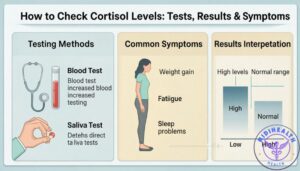
These changes occur because ovulation becomes less consistent as hormone production fluctuates. You may read this: How to Check Cortisol Levels: Tests, Results & Symptoms.
Hot Flashes and Night Sweats
Many women associate menopause with hot flashes, but these symptoms often begin during perimenopause.
Hot flashes can cause:
- Sudden warmth in the face and upper body
- Flushing
- Sweating
- Rapid heartbeat
- Chills afterward
Night sweats are hot flashes that occur during sleep and can significantly affect rest.
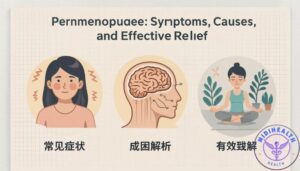
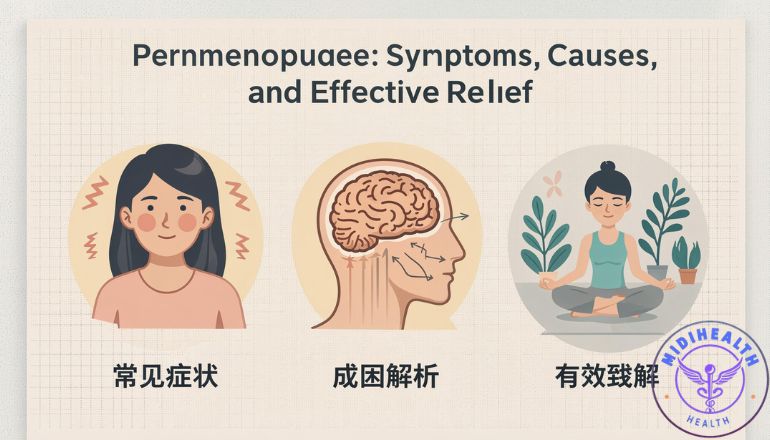
![Infographic showing common perimenopause symptoms]
Sleep Problems
Hormonal fluctuations can make quality sleep harder to achieve.
Common sleep issues include:
- Difficulty falling asleep
- Frequent waking
- Night sweats
- Early morning awakening
- Non-restorative sleep
Poor sleep can worsen many other symptoms, creating a frustrating cycle.
Mood Changes
Hormonal shifts may influence emotional well-being.
Some women experience:
- Irritability
- Anxiety
- Increased stress sensitivity
- Mood swings
- Feelings of sadness
It’s important to recognize that emotional changes are often linked to both hormonal fluctuations and the challenges of disrupted sleep.
Brain Fog and Memory Difficulties
Many women report cognitive changes during this stage.
These may include:
- Difficulty concentrating
- Forgetfulness
- Reduced focus
- Trouble finding words
- Mental fatigue
While these symptoms can be frustrating, they are generally temporary and manageable.
Vaginal and Sexual Health Changes
Declining estrogen levels may affect vaginal tissues and sexual function.
Common concerns include:
- Vaginal dryness
- Irritation
- Reduced elasticity
- Pain during intercourse
- Changes in libido
These symptoms are common and treatable.
Why Hormones Change During This Transition
To understand symptoms, it helps to understand what’s happening hormonally.
The Role of Estrogen
Estrogen influences many body systems, including:
- Reproductive health
- Bone strength
- Heart health
- Brain function
- Skin elasticity
- Temperature regulation
As estrogen levels fluctuate, multiple body systems respond to those changes.
Progesterone Declines Too
Progesterone production becomes less predictable because ovulation occurs less consistently.
Lower progesterone levels may contribute to:
- Sleep difficulties
- Anxiety
- Mood fluctuations
- Irregular bleeding
The combination of fluctuating estrogen and declining progesterone creates the hallmark symptoms many women experience.
Health Changes Associated With Perimenopause
This transition involves more than reproductive changes.
Bone Health
Estrogen plays a vital role in maintaining bone density.
As levels decline, women may face increased risk of:
- Bone loss
- Osteopenia
- Osteoporosis
- Fractures
Weight-bearing exercise and adequate calcium and vitamin D become increasingly important.
Cardiovascular Health
Hormonal changes can affect heart health.
Potential changes include:
- Increased cholesterol levels
- Blood pressure changes
- Weight redistribution
- Greater cardiovascular risk over time
Regular health screenings become especially valuable during these years.
Weight and Metabolism
Many women notice changes in body composition.
Common experiences include:
- Increased abdominal fat
- Slower metabolism
- Reduced muscle mass
- Difficulty losing weight
These changes result from a combination of aging, hormonal shifts, and lifestyle factors.
![Healthy lifestyle habits for managing hormonal transitions]
How Perimenopause Is Diagnosed
There is no single test that definitively diagnoses perimenopause.
Healthcare providers typically evaluate:
- Age
- Menstrual history
- Symptoms
- Medical history
- Family history
Are Hormone Tests Necessary?
Hormone levels fluctuate dramatically during this transition, making blood tests less reliable for diagnosis.
In some cases, testing may be recommended to rule out other conditions such as:
- Thyroid disorders
- Pregnancy
- Polycystic ovary syndrome
- Other hormonal imbalances
Diagnosis often relies more heavily on symptom patterns than laboratory results.
Lifestyle Strategies That Can Help
Many women successfully manage symptoms through lifestyle adjustments.
Prioritize Sleep
Good sleep habits can significantly improve overall well-being.
Consider:
- Maintaining a consistent bedtime
- Limiting caffeine late in the day
- Keeping the bedroom cool
- Reducing screen exposure before sleep
- Practicing relaxation techniques
Stay Physically Active
Regular exercise provides numerous benefits during perimenopause.
Benefits include:
- Improved mood
- Better sleep
- Weight management
- Stronger bones
- Reduced stress
A balanced routine may include:
- Walking
- Strength training
- Yoga
- Swimming
- Cycling
Focus on Nutrition
A nutrient-rich diet supports overall health and symptom management.
Helpful dietary habits include:
- Eating plenty of vegetables
- Choosing lean proteins
- Including healthy fats
- Limiting added sugars
- Staying hydrated
Nutrients that deserve special attention include calcium, vitamin D, magnesium, and protein.
Manage Stress Effectively
Stress can intensify many symptoms.
Effective approaches include:
- Meditation
- Deep breathing
- Journaling
- Nature walks
- Mindfulness practices
- Social support
Even small daily stress-management habits can make a meaningful difference.
Medical Treatments for Perimenopause Symptoms
When symptoms significantly affect quality of life, medical treatment may be appropriate.
Hormone Therapy
Hormone therapy remains one of the most effective treatments for certain symptoms.
It may help reduce:
- Hot flashes
- Night sweats
- Sleep disturbances
- Vaginal dryness
Treatment decisions should always be made with a qualified healthcare provider who can assess individual risks and benefits.
Non-Hormonal Medications
Some women prefer or require alternatives to hormone therapy.
Options may include medications that help manage:
- Hot flashes
- Mood symptoms
- Anxiety
- Sleep problems
A healthcare professional can determine which approach is most suitable.
Vaginal Estrogen Treatments
For women experiencing vaginal symptoms, localized estrogen treatments can provide targeted relief while minimizing systemic exposure.
Emotional Well-Being During Perimenopause
The emotional impact of hormonal changes is often underestimated.
Why Emotional Support Matters
Many women feel isolated because symptoms are not openly discussed.
Support can come from:
- Friends
- Family members
- Support groups
- Therapists
- Healthcare providers
Open conversations help normalize experiences and reduce feelings of isolation.
Building Resilience
Developing resilience can make the transition easier.
Helpful practices include:
- Setting realistic expectations
- Prioritizing self-care
- Maintaining social connections
- Seeking professional guidance when needed
- Celebrating small improvements
Remember that this phase is temporary, even when symptoms feel overwhelming.
When to See a Healthcare Provider
Although many changes are normal, some symptoms warrant medical evaluation.
Seek professional advice if you experience:
- Extremely heavy bleeding
- Bleeding between periods
- Bleeding after sex
- Severe mood changes
- Persistent depression
- Significant sleep disruption
- Symptoms affecting daily functioning
Early evaluation helps identify potential underlying conditions and appropriate treatments.
Frequently Asked Questions
Can perimenopause start in your 30s?
Yes. Although most women begin experiencing symptoms in their 40s, some notice changes during their mid-to-late 30s.
How do I know if I’m in perimenopause or menopause?
If you still have periods, even irregularly, you’re generally considered to be in the transition phase. Menopause is confirmed after 12 consecutive months without a period.
Can you get pregnant during perimenopause?
Yes. Pregnancy remains possible until menopause is reached, so contraception may still be necessary.
What is the most common symptom of perimenopause?
Irregular menstrual cycles are often among the earliest and most common signs.
Does perimenopause cause weight gain?
Hormonal changes, aging, and shifts in metabolism can contribute to weight gain and changes in body composition.
Are hot flashes guaranteed during perimenopause?
No. While many women experience hot flashes, symptom patterns vary greatly and some women never develop them.
Can exercise reduce symptoms?
Regular physical activity may improve mood, sleep quality, energy levels, and overall health during this transition.
Is hormone therapy safe?
Safety depends on individual health history, age, and risk factors. A healthcare provider can help determine whether it is appropriate.
Does perimenopause affect mental health?
Hormonal fluctuations can contribute to anxiety, mood swings, and emotional sensitivity, particularly when combined with sleep disruption.
How long does perimenopause usually last?
For most women, the transition lasts several years, often between four and eight years before menopause occurs.
Conclusion
Perimenopause is a natural stage of life, but that doesn’t mean it is always easy. The hormonal changes that occur during this transition can affect physical health, emotional well-being, sleep, energy, and overall quality of life. Understanding the symptoms and knowing what options are available can make a significant difference in how you experience this phase.
By prioritizing healthy habits, seeking medical guidance when needed, and approaching the transition with knowledge rather than fear, you can navigate these years with greater confidence and comfort. Every woman’s experience is unique, and finding the strategies that work best for you can help transform this period from a source of uncertainty into an opportunity for greater self-awareness and long-term health.