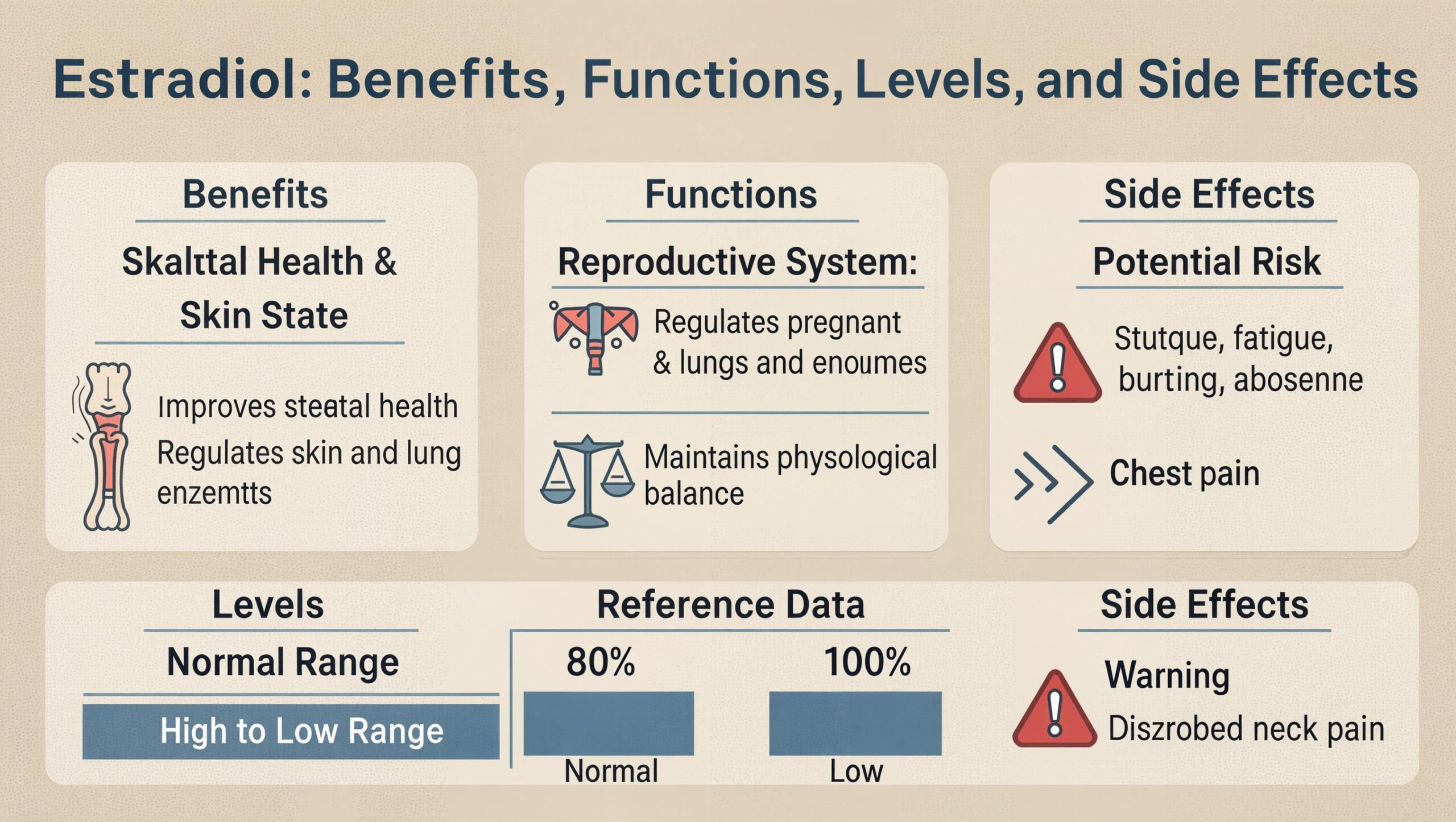
Hormones quietly influence nearly every part of the human body, from mood and energy to fertility and bone strength. Among these powerful chemical messengers, estradiol plays one of the most important roles in reproductive and overall health.
Although it’s commonly associated with women, this hormone affects people of all genders in different ways. It helps regulate menstrual cycles, supports pregnancy, maintains bone density, and even influences brain function. When levels become too high or too low, the effects can ripple throughout the body and lead to noticeable physical and emotional symptoms.
Understanding how hormone balance works can make a huge difference in recognizing changes early and making informed health decisions. Whether you’re dealing with menopause symptoms, fertility concerns, irregular periods, or simply trying to understand your body better, learning about this hormone offers valuable insight into long-term wellness.
Hormonal health can feel complicated, but once you understand the basics, many seemingly unrelated symptoms start making sense.
What Is Estradiol?
Estradiol is the strongest and most active form of estrogen produced naturally in the body. It belongs to a group of hormones called estrogens, which are essential for reproductive development and many other biological functions.
In women, it is primarily produced in the ovaries. Smaller amounts are also made in:
- Adrenal glands
- Fat tissue
- Placenta during pregnancy
Men also produce small amounts of estrogen, mainly through the conversion of testosterone.
Why This Hormone Matters
This hormone affects far more than reproductive health. It contributes to:
- Bone strength
- Heart health
- Skin elasticity
- Brain function
- Mood regulation
- Sexual health
Because it influences multiple body systems, hormonal imbalances can create a wide range of symptoms.
How Estradiol Functions in the Body
Hormones work like messengers that help different systems communicate with each other.
Role in the Menstrual Cycle
One of the primary responsibilities of estradiol is regulating the menstrual cycle.
Throughout the month, hormone levels naturally rise and fall to:
- Stimulate egg development
- Prepare the uterine lining
- Trigger ovulation
- Support reproductive function
These fluctuations are completely normal and necessary for fertility.
Support During Puberty
During puberty, estrogen helps the body develop secondary sexual characteristics.
This includes:
- Breast development
- Fat distribution changes
- Hip widening
- Reproductive organ maturation
Hormonal shifts during adolescence are responsible for many physical changes associated with adulthood.
Estradiol and Reproductive Health
Fertility and hormone balance are deeply connected.
Ovulation and Fertility
Healthy estrogen levels support proper ovulation. When levels are too low, ovulation may become irregular or stop entirely.
This can contribute to:
- Difficulty conceiving
- Irregular periods
- Missed cycles
- Reduced fertility
Doctors often evaluate hormone levels when investigating infertility.
Pregnancy Support
During pregnancy, estrogen production increases dramatically.
This helps:
- Maintain the uterine lining
- Support fetal development
- Improve blood flow
- Prepare the body for childbirth
Hormonal balance is critical throughout pregnancy.
Normal Estradiol Levels
Hormone levels naturally vary depending on age, sex, and reproductive stage.
Factors That Influence Hormone Levels
Several factors affect estrogen production, including:
- Age
- Menstrual cycle phase
- Pregnancy
- Menopause
- Stress
- Body fat percentage
- Medical conditions
Hormonal fluctuations are normal, but extreme imbalances may cause symptoms. You may also read: Best Collagen Supplements for Skin, Joints, and Hair.
Levels During Different Life Stages
Hormone production changes throughout life.
Typical phases include:
| Life Stage | Hormone Trend |
|---|---|
| Puberty | Rapid increase |
| Reproductive years | Cyclical fluctuations |
| Pregnancy | Significant increase |
| Perimenopause | Unstable fluctuations |
| Menopause | Sharp decline |
These natural transitions can strongly affect physical and emotional well-being.
Symptoms of Low Estradiol
Low estrogen levels can affect multiple body systems.
Common Physical Symptoms
Women with low hormone levels may experience:
- Hot flashes
- Night sweats
- Vaginal dryness
- Fatigue
- Reduced libido
- Irregular periods
Symptoms often become more noticeable during perimenopause and menopause.
Emotional and Cognitive Effects
Hormones also influence brain chemistry.
Low levels may contribute to:
- Mood swings
- Anxiety
- Depression
- Difficulty concentrating
- Memory problems
Many women are surprised to learn how strongly hormones affect emotional health.
Bone Health Concerns
Estrogen helps maintain bone density. Declining levels increase the risk of osteoporosis and fractures over time.
This is one reason menopause-related hormone changes receive significant medical attention.
Symptoms of High Estradiol
Excess estrogen can also create uncomfortable symptoms.
Possible Signs of High Levels
High estrogen may cause:
- Breast tenderness
- Bloating
- Heavy periods
- Weight gain
- Mood changes
- Headaches
Hormonal imbalance can affect each person differently.
Estrogen Dominance
Some individuals develop a condition commonly called estrogen dominance, where estrogen levels become disproportionately high relative to progesterone.
Potential contributing factors include:
- Obesity
- Chronic stress
- Certain medications
- Hormonal disorders
Proper diagnosis is important because symptoms can overlap with other conditions.
Estradiol and Menopause
Menopause represents one of the most significant hormonal transitions in a woman’s life.
Why Hormone Levels Drop
As ovarian function declines, estrogen production decreases significantly.
This hormonal shift may trigger:
- Hot flashes
- Sleep disturbances
- Mood swings
- Vaginal dryness
- Bone density loss
Symptoms vary widely from person to person.
Hormone Therapy Options
Some women use hormone replacement therapy (HRT) to manage menopause symptoms.
Hormone therapy may help relieve:
- Severe hot flashes
- Vaginal discomfort
- Sleep disruption
- Bone loss risk
However, treatment decisions should always involve individualized medical guidance.
Estradiol in Men’s Health
Although estrogen is often labeled a female hormone, it also plays an important role in men.
Functions in Men
Small amounts of estrogen help support:
- Bone health
- Brain function
- Libido
- Sperm production
Both excessively high and extremely low levels may cause health problems.
Hormonal Imbalance in Men
Men with hormonal imbalance may experience:
- Fatigue
- Breast tissue enlargement
- Mood changes
- Reduced libido
- Weight gain
Hormone testing can help identify underlying issues.
Medical Conditions Linked to Hormonal Imbalance
Several health conditions can disrupt estrogen levels.
Polycystic Ovary Syndrome (PCOS)
PCOS affects hormone production and ovulation.
Symptoms may include:
- Irregular periods
- Acne
- Weight gain
- Fertility issues
- Hormonal imbalance
Treatment often focuses on symptom management and metabolic health.
Thyroid Disorders
The thyroid and reproductive hormones interact closely.
Thyroid dysfunction may contribute to:
- Menstrual irregularities
- Fatigue
- Mood changes
- Fertility challenges
Comprehensive hormone evaluation is sometimes necessary.
Eating Disorders and Low Body Fat
Very low body fat can suppress hormone production.
This is especially common among:
- Athletes
- Individuals with restrictive diets
- People experiencing eating disorders
Adequate nutrition is essential for reproductive hormone health.
Lifestyle Factors That Affect Hormones
Daily habits can significantly influence hormonal balance.
Nutrition and Hormone Support
Balanced nutrition helps support hormone production and metabolism.
Important nutrients include:
- Healthy fats
- Protein
- Magnesium
- Vitamin D
- Iron
- Omega-3 fatty acids
Extreme dieting may disrupt hormone regulation.
Stress and Cortisol
Chronic stress affects reproductive hormones through elevated cortisol production.
Long-term stress may contribute to:
- Irregular periods
- Fatigue
- Sleep issues
- Hormonal imbalance
Stress management supports overall hormonal health.
Exercise and Physical Activity
Moderate exercise supports circulation, metabolism, and hormone balance.
However, excessive training combined with inadequate calorie intake may lower estrogen levels.
Finding balance is key.
Testing Estradiol Levels
Hormone testing helps doctors evaluate reproductive and endocrine health.
How Testing Works
Hormone levels are usually measured through blood tests.
Testing may be recommended for:
- Irregular periods
- Fertility concerns
- Menopause symptoms
- Hormonal disorders
- Puberty evaluation
Results are interpreted based on age, sex, and cycle timing.
Understanding Test Results
Hormone levels fluctuate naturally, so timing matters.
Doctors may recommend testing during specific parts of the menstrual cycle for accurate interpretation.
Self-diagnosing based on lab numbers alone can be misleading without professional guidance.
Emotional Effects of Hormonal Changes
Many people underestimate how deeply hormones influence emotions and mental well-being.
Mood and Brain Chemistry
Estrogen interacts with neurotransmitters involved in mood regulation, including serotonin and dopamine.
Hormonal fluctuations may contribute to:
- Irritability
- Anxiety
- Emotional sensitivity
- Depression symptoms
This is one reason mood changes often occur around menstruation or menopause.
Sleep and Energy Levels
Hormonal imbalance may also affect sleep quality and energy production.
Poor sleep can worsen:
- Fatigue
- Mood swings
- Brain fog
- Concentration difficulties
Healthy sleep habits support endocrine function.
Natural Ways to Support Hormonal Balance
Lifestyle habits cannot replace medical treatment when necessary, but they may support overall hormonal health.
Prioritize Whole Foods
A nutrient-rich diet may support hormone production and reduce inflammation.
Helpful foods include:
- Leafy greens
- Fatty fish
- Nuts and seeds
- Eggs
- Whole grains
- Fruits
Balanced nutrition supports overall wellness.
Reduce Chronic Stress
Stress reduction techniques may positively influence hormone balance.
Helpful strategies include:
- Meditation
- Walking
- Deep breathing
- Journaling
- Therapy
- Yoga
Consistency matters more than perfection.
Maintain Healthy Sleep Patterns
Sleep supports hormone regulation, recovery, and metabolic health.
Experts generally recommend:
- Consistent sleep schedules
- Reduced late-night screen exposure
- Adequate nightly rest
Hormonal systems function best when the body is well-rested.
Myths and Misconceptions About Estradiol
Hormonal health is often surrounded by misinformation.
“Estrogen Is Only Important for Women”
Men also need healthy estrogen levels for bone strength, brain health, and sexual function.
“Hormones Only Affect Reproduction”
Hormones influence nearly every major body system, including cardiovascular health, mood, skin, metabolism, and cognition.
“Symptoms Are Always Obvious”
Hormonal imbalance can develop gradually and sometimes presents with subtle symptoms people overlook for years.
Understanding the body’s signals is important for early awareness.
FAQ
What is estradiol responsible for?
It helps regulate reproductive health, menstrual cycles, fertility, bone strength, mood, and many other body functions.
What causes low estrogen levels?
Low levels may result from menopause, excessive exercise, eating disorders, ovarian issues, or certain medical conditions.
Can high estrogen cause weight gain?
Hormonal imbalance may contribute to bloating, fluid retention, and changes in body composition.
Is hormone testing necessary?
Testing may help evaluate symptoms such as irregular periods, infertility, menopause symptoms, or hormonal disorders.
Does stress affect hormone balance?
Yes. Chronic stress can interfere with reproductive hormone regulation through elevated cortisol levels.
Can men have estrogen imbalance?
Yes. Men produce small amounts of estrogen, and imbalance may affect mood, libido, and overall health.
What foods support hormonal health?
Whole foods rich in healthy fats, protein, vitamins, and minerals may support endocrine function.
Is hormone replacement therapy safe?
Safety depends on individual health history, age, symptoms, and medical supervision.
Can exercise influence estrogen levels?
Moderate activity supports hormonal health, but excessive exercise combined with low calorie intake may lower levels.
Conclusion
Estradiol plays a central role in reproductive health, emotional well-being, bone strength, and overall hormonal balance. Although it’s most commonly associated with women’s health, its effects extend far beyond fertility and influence multiple systems throughout the body.
Hormonal changes are a natural part of life, especially during puberty, pregnancy, and menopause. Still, persistent symptoms such as irregular periods, mood changes, fatigue, or hot flashes should never be ignored. Understanding how hormones work empowers people to recognize changes earlier and seek appropriate medical support when needed.
A healthy lifestyle, proper nutrition, stress management, and quality sleep all contribute to better hormonal health. While hormone fluctuations are normal, staying informed about your body can make navigating those changes far less overwhelming.