Feeling drained before your day even gets started can be frustrating. Whether you’re struggling to stay focused at work, juggling family responsibilities, or trying to power through workouts, low energy can affect every part of life. That’s why so many people search for the best vitamins for energy when they want a natural and sustainable way to feel better.
The truth is, energy levels are influenced by more than just sleep. Your body relies on essential vitamins and minerals to convert food into fuel, support brain function, and keep your cells working efficiently. When you’re low in key nutrients, fatigue often follows.
Modern lifestyles don’t always make balanced nutrition easy. Busy schedules, processed foods, stress, and limited sunlight exposure can all contribute to nutrient deficiencies that leave you feeling sluggish. The good news is that improving your vitamin intake may help restore vitality and improve daily performance.
This guide explores the nutrients most closely linked to energy production, how they work, who may benefit most from them, and how to include them in your routine safely.
![A healthy breakfast with fruits, nuts, eggs, and supplements arranged on a wooden table]
Why Vitamins Matter for Energy Production
Your body produces energy through a complex process that turns carbohydrates, fats, and proteins into usable fuel. Vitamins act as helpers in these chemical reactions. Without enough of them, your body struggles to create and distribute energy efficiently.
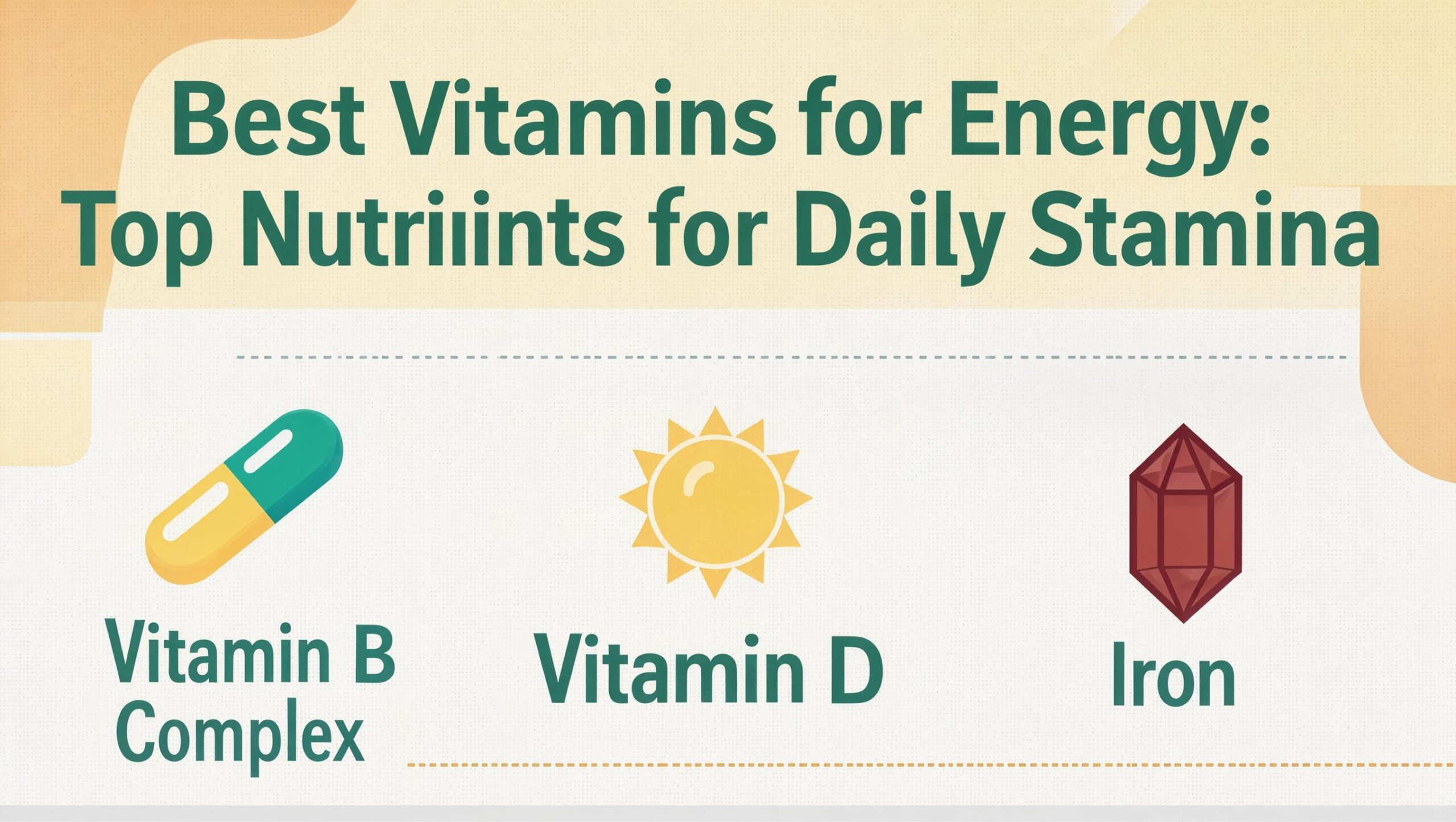
Fatigue is often one of the earliest signs of poor nutrition. While occasional tiredness is normal, ongoing exhaustion can indicate low levels of important nutrients such as vitamin B12, iron, vitamin D, or magnesium.
Certain groups are more likely to experience nutrient-related fatigue, including:
- Older adults
- Vegetarians and vegans
- People with digestive disorders
- Individuals under chronic stress
- Those with restrictive diets
- People who spend little time outdoors
The best vitamins for energy work by supporting metabolism, oxygen transport, nerve communication, and muscle performance. Together, these systems help maintain mental clarity and physical endurance throughout the day.
Vitamin B12 and Energy Support
What Vitamin B12 Does
Vitamin B12 plays a major role in red blood cell production and nervous system health. It also helps your body convert food into glucose, which is used for energy.
Low levels of B12 can lead to symptoms such as:
- Weakness
- Brain fog
- Fatigue
- Shortness of breath
- Tingling in the hands and feet
Because B12 is mainly found in animal products, vegans and vegetarians are at higher risk for deficiency.
Best Food Sources of Vitamin B12
You can naturally increase your B12 intake through foods like:
- Eggs
- Fish
- Beef
- Chicken
- Milk and yogurt
- Fortified cereals
Supplements are also widely available in capsules, gummies, and sublingual forms.
![Infographic showing the role of B vitamins in converting food into energy]
The Role of Vitamin D in Fighting Fatigue
Vitamin D is often associated with bone health, but it also influences mood, muscle function, and energy levels. Many people with low vitamin D report persistent tiredness and low motivation.
Why Deficiency Is So Common
Your body produces vitamin D from sunlight exposure. However, indoor lifestyles, sunscreen use, winter weather, and darker skin tones can reduce production.
Common signs of low vitamin D include:
- Low energy
- Muscle weakness
- Frequent illness
- Mood changes
- Joint discomfort
Foods Rich in Vitamin D
Although sunlight is the primary source, you can also find vitamin D in:
- Salmon
- Sardines
- Egg yolks
- Fortified dairy products
- Mushrooms exposed to UV light
Many healthcare professionals recommend testing vitamin D levels before taking high-dose supplements.
Iron and Oxygen Delivery
Iron is technically a mineral rather than a vitamin, but it deserves attention because of its direct connection to energy production.
How Iron Supports Energy
Iron helps carry oxygen through the bloodstream. When iron levels drop, the body struggles to transport oxygen efficiently, leading to exhaustion and weakness.
Iron deficiency is especially common among:
- Women with heavy menstrual cycles
- Pregnant individuals
- Athletes
- Vegetarians
- People with digestive conditions
Iron-Rich Foods
To support healthy iron levels, include foods such as:
- Lean red meat
- Lentils
- Spinach
- Pumpkin seeds
- Beans
- Tofu
Vitamin C helps improve iron absorption, so pairing iron-rich foods with citrus fruits or bell peppers can be beneficial.
![Woman stretching outdoors in sunlight with healthy foods nearby representing natural energy support]
Magnesium and Daily Stamina
Magnesium is involved in hundreds of biochemical reactions in the body, including energy creation and muscle function.
People with low magnesium levels may experience:
- Muscle cramps
- Fatigue
- Poor sleep
- Anxiety
- Weakness
Stress and processed foods can deplete magnesium stores over time.
Best Dietary Sources of Magnesium
Natural magnesium-rich foods include:
- Almonds
- Pumpkin seeds
- Dark chocolate
- Spinach
- Avocados
- Black beans
Many people prefer magnesium glycinate or citrate supplements because they are commonly easier to absorb.
Vitamin C and Physical Performance
Vitamin C is best known for immune support, but it also contributes to energy by helping the body absorb iron and reduce oxidative stress.
When your body experiences chronic stress or inflammation, energy production may decline. Vitamin C acts as an antioxidant that helps protect cells from damage.
Foods High in Vitamin C
Excellent sources include:
- Oranges
- Strawberries
- Kiwi
- Bell peppers
- Broccoli
- Pineapple
Because vitamin C is water-soluble, regular intake through food is important.
CoQ10 and Cellular Energy
Coenzyme Q10, commonly called CoQ10, is a compound naturally produced by the body. It supports mitochondrial function, which is responsible for generating cellular energy.
Levels of CoQ10 may decline with age, stress, and certain medications.
Potential Benefits of CoQ10
Some people use CoQ10 to support:
- Exercise performance
- Heart health
- Mental focus
- Recovery from fatigue
Foods containing CoQ10 include fatty fish, organ meats, and nuts, although supplements provide higher concentrations.
Adaptogens and Energy Balance
Adaptogens are herbs that may help the body manage stress more effectively. While not vitamins, they are often included in energy-support routines.
Popular adaptogens include:
- Ashwagandha
- Rhodiola rosea
- Ginseng
- Holy basil
Chronic stress can drain energy reserves and disrupt sleep patterns. Adaptogens may support resilience and help maintain balanced energy throughout the day.
How Diet Impacts Energy Levels
Even the best vitamins for energy cannot fully compensate for a poor diet. Consistently eating nutrient-dense foods is essential for long-term vitality.
Energy-Supporting Foods to Prioritize
A balanced diet should include:
- Lean proteins
- Healthy fats
- Whole grains
- Fresh fruits
- Vegetables
- Hydrating fluids
Skipping meals or relying heavily on sugary snacks can lead to rapid blood sugar crashes that worsen fatigue.
The Importance of Hydration
Mild dehydration can reduce concentration and increase tiredness. Drinking enough water throughout the day supports circulation and cellular function.
Adding electrolyte-rich foods like bananas, coconut water, and leafy greens may further support hydration and energy.
Lifestyle Habits That Work Alongside Vitamins
Nutrients are only one piece of the puzzle. Your daily habits also play a huge role in how energized you feel. Read about: Vitamin D3 K2 Supplement Benefits, Dosage, and Safety.
Prioritize Sleep Quality
Sleep is when the body repairs tissues, balances hormones, and restores energy reserves. Poor sleep can cancel out the benefits of even the healthiest diet.
Helpful sleep habits include:
- Keeping a consistent bedtime
- Reducing screen exposure at night
- Avoiding heavy meals before bed
- Limiting caffeine late in the day
Exercise for More Energy
Regular physical activity may seem tiring at first, but it often improves stamina over time.
Exercise supports:
- Better circulation
- Improved oxygen delivery
- Enhanced mood
- Higher endurance
Walking, strength training, yoga, and cycling can all help support steady energy levels.
How to Choose the Right Supplements
The supplement aisle can feel overwhelming. Labels often promise instant energy, but not all products are created equally.
What to Look For
When choosing supplements, consider:
- Third-party testing
- Transparent ingredient lists
- Appropriate dosage levels
- Minimal fillers and additives
- Reputable manufacturers
Avoid Mega-Dosing
More is not always better. Extremely high doses of certain vitamins may cause side effects or interact with medications.
For example:
- Too much iron may cause digestive issues
- Excess vitamin D can become toxic
- High caffeine blends may disrupt sleep
Consulting a healthcare professional is especially important if you have medical conditions or take prescription medications.
Signs You May Need More Nutrients
Sometimes the body gives clues that it may be lacking essential vitamins or minerals.
Common signs include:
- Constant fatigue
- Poor concentration
- Weak nails or hair
- Frequent illness
- Mood swings
- Muscle weakness
- Slow recovery after exercise
Blood tests can help identify specific deficiencies and guide a more personalized approach.
Can Multivitamins Improve Energy?
Multivitamins may help fill nutritional gaps, especially for people with restricted diets or busy lifestyles.
However, they work best when combined with healthy habits rather than used as a quick fix.
The best vitamins for energy are typically those that correct an underlying deficiency. Taking supplements without addressing diet, sleep, and stress may provide limited benefits.
Who Might Benefit Most From Multivitamins
Multivitamins can be useful for:
- Older adults
- Vegans and vegetarians
- People with poor appetite
- Individuals under high stress
- Frequent travelers
Choosing a high-quality formula tailored to your age and lifestyle may improve overall nutrient intake.
Best Time to Take Energy Vitamins
Timing can influence how well your body absorbs certain nutrients.
Morning vs Evening
Many people prefer taking B vitamins in the morning because they support metabolism and alertness.
Fat-soluble vitamins like vitamin D are usually best taken with meals containing healthy fats.
Magnesium is often taken in the evening because it may promote relaxation and better sleep quality.
Consistency Matters Most
The most important factor is taking supplements consistently. Establishing a simple routine makes it easier to maintain healthy nutrient levels over time.
Natural Ways to Increase Energy Without Stimulants
Many energy products rely heavily on caffeine and sugar for short-term results. While they may provide a temporary boost, they often lead to crashes later.
Instead, focus on sustainable habits such as:
- Eating balanced meals
- Getting regular movement
- Managing stress levels
- Spending time outdoors
- Maintaining healthy sleep patterns
The best vitamins for energy support your body’s natural processes rather than forcing artificial stimulation.
Common Myths About Energy Supplements
Myth 1: More Vitamins Always Mean More Energy
Taking excessive supplements does not automatically increase energy. Your body only uses what it needs.
Myth 2: Energy Drinks Are the Same as Vitamins
Most energy drinks rely on caffeine and sugar rather than addressing nutrient deficiencies.
Myth 3: Healthy People Never Need Supplements
Even people with balanced diets can sometimes develop deficiencies due to stress, medical conditions, or lifestyle factors.
FAQ
What are the best vitamins for energy and fatigue?
Vitamin B12, vitamin D, iron, magnesium, and vitamin C are among the most commonly recommended nutrients for supporting energy and reducing fatigue.
How long does it take for vitamins to improve energy?
The timeline varies depending on the deficiency and overall health status. Some people notice changes within days, while others may need several weeks.
Can vitamin deficiencies cause extreme tiredness?
Yes. Deficiencies in nutrients like iron, vitamin B12, and vitamin D are frequently linked to low energy and exhaustion.
Is it safe to take energy supplements every day?
Many vitamins are safe when taken as directed, but excessive intake can cause side effects. Always follow dosage guidelines.
Which vitamin is best for mental energy?
Vitamin B12 is closely linked to brain function, concentration, and nervous system support.
Should I take vitamins with food?
Some vitamins absorb better with meals, especially fat-soluble nutrients like vitamin D. Reading supplement instructions is important.
Can dehydration make you feel tired?
Absolutely. Even mild dehydration can affect focus, physical performance, and energy levels.
Are natural food sources better than supplements?
Whole foods provide fiber, antioxidants, and other beneficial compounds alongside vitamins, making them an important part of a healthy lifestyle.
Conclusion
Maintaining steady energy levels involves more than drinking coffee or relying on quick fixes. Your body depends on a wide range of nutrients to fuel muscles, support the brain, and keep essential systems functioning properly.
The best vitamins for energy are the ones that help correct nutritional gaps while supporting long-term wellness. Vitamin B12, vitamin D, iron, magnesium, and vitamin C all play important roles in how energized you feel each day.
Combining nutrient-rich foods, healthy sleep habits, hydration, movement, and smart supplementation can make a noticeable difference in overall vitality. Rather than chasing temporary boosts, focus on building sustainable habits that support lasting energy and better health over time.