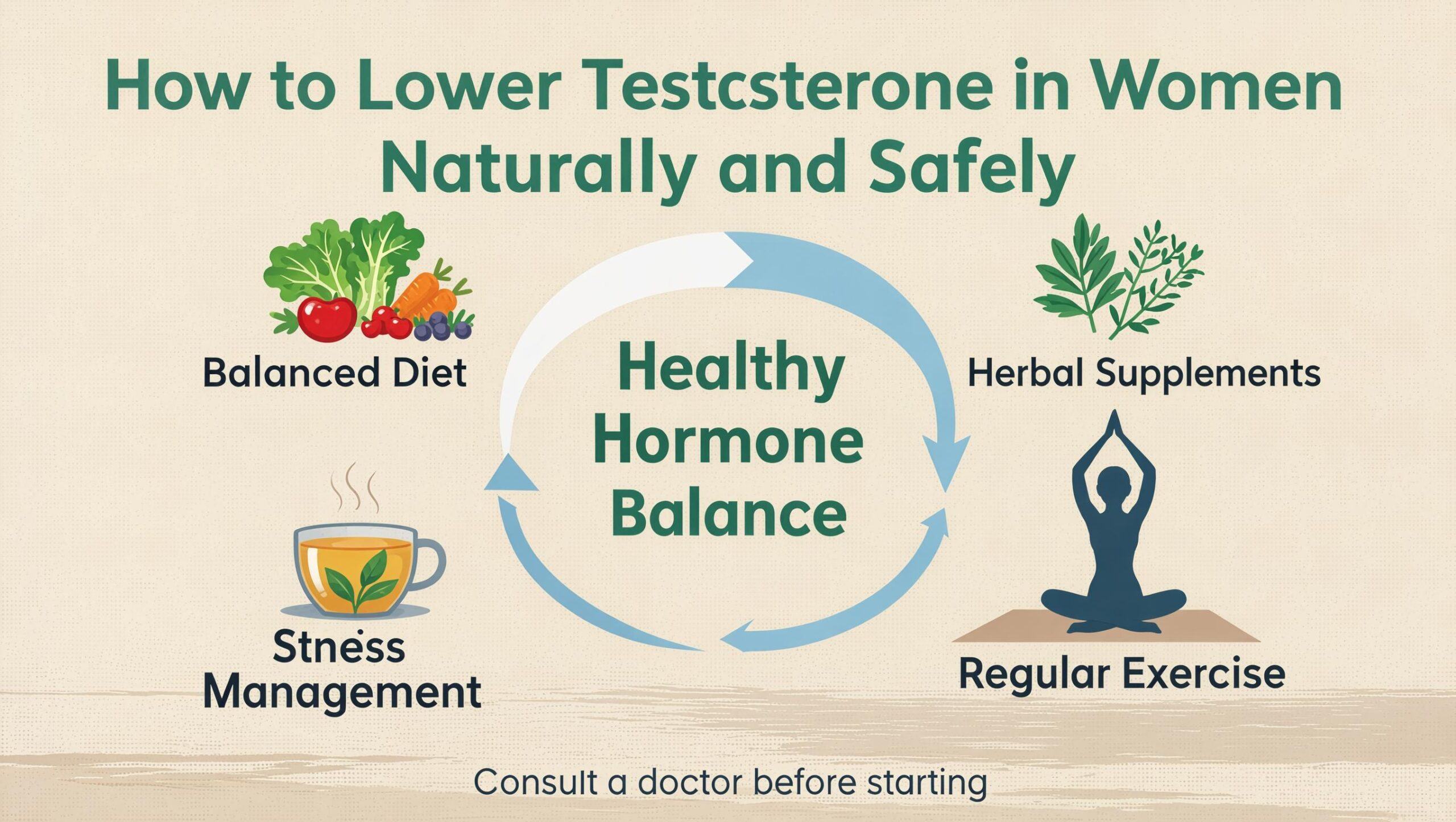
Unexpected acne breakouts, stubborn facial hair, irregular periods, or sudden weight gain can leave many women wondering what’s happening inside their bodies. If you’ve been searching for how to lower testosterone in women, you’re far from alone. Hormonal imbalance affects millions of women worldwide, often in ways that impact confidence, energy, fertility, and overall health.
Although testosterone is commonly thought of as a male hormone, women naturally produce it too. The problem begins when levels become too high. Elevated testosterone can disrupt the menstrual cycle, trigger unwanted physical symptoms, and sometimes point to underlying conditions like polycystic ovary syndrome (PCOS) or insulin resistance.
The good news is that hormone balance can often improve with the right combination of lifestyle adjustments, nutrition, stress management, and medical guidance. Understanding the root cause is the first step toward feeling better both physically and emotionally.
Hormones are deeply connected to daily habits, and even small changes can make a meaningful difference over time.
Understanding Testosterone in Women
Testosterone plays an important role in female health, even though women produce much smaller amounts than men.
What Testosterone Does in the Female Body
This hormone contributes to several essential functions, including:
- Muscle maintenance
- Bone strength
- Libido
- Mood stability
- Energy levels
Balanced hormone production supports overall wellness. Problems typically occur when testosterone levels rise too high relative to other hormones like estrogen and progesterone.
What Counts as High Testosterone?
Elevated androgen levels may vary depending on age, reproductive stage, and individual health.
High testosterone in women may lead to symptoms such as:
- Acne
- Facial hair growth
- Hair thinning
- Irregular periods
- Weight gain
- Fertility problems
A healthcare provider usually confirms hormonal imbalance through blood testing and symptom evaluation.
Common Causes of High Testosterone in Women
Hormonal imbalance rarely happens without a reason.
Polycystic Ovary Syndrome (PCOS)
PCOS is one of the most common causes of elevated testosterone in women.
This hormonal condition may cause:
- Irregular ovulation
- Ovarian cysts
- Insulin resistance
- Excess androgen production
Women with PCOS often experience symptoms like acne, facial hair, and menstrual irregularities.
Insulin Resistance
High insulin levels can stimulate the ovaries to produce more testosterone.
Insulin resistance is often associated with:
- Weight gain
- Sugar cravings
- Fatigue
- Difficulty losing weight
Improving insulin sensitivity may help reduce androgen levels naturally.
Chronic Stress
Stress affects the endocrine system and may contribute to hormonal imbalance.
Long-term stress increases cortisol production, which can indirectly influence reproductive hormones and androgen levels.
Signs and Symptoms of High Testosterone
Symptoms vary from person to person.
Physical Symptoms
Common physical signs include:
- Increased facial or body hair
- Oily skin
- Persistent acne
- Hair loss on the scalp
- Weight gain around the abdomen
These symptoms can sometimes develop gradually over time.
Menstrual Changes
Hormonal imbalance may interfere with ovulation and menstrual cycles.
Possible changes include:
- Missed periods
- Irregular bleeding
- Difficulty conceiving
- Heavy or unpredictable cycles
Emotional Effects
Hormones influence mood and mental well-being.
Some women experience:
- Anxiety
- Mood swings
- Irritability
- Reduced self-confidence
Hormonal health often affects emotional health more than people realize.

How to Lower Testosterone in Women Naturally
Lifestyle habits can strongly influence hormone balance.
Improve Insulin Sensitivity
Managing blood sugar may help reduce excess testosterone production.
Helpful strategies include:
- Eating balanced meals
- Reducing processed sugar intake
- Increasing fiber consumption
- Exercising regularly
Stable blood sugar supports healthier hormonal signaling.
Focus on Anti-Inflammatory Foods
Inflammation may worsen hormonal imbalance.
Foods that may support hormone health include:
- Leafy greens
- Berries
- Fatty fish
- Nuts and seeds
- Whole grains
- Olive oil
Balanced nutrition supports endocrine function naturally.
Maintain a Healthy Weight
Even modest weight loss may improve hormonal balance in some women with insulin resistance or PCOS.
Healthy body composition can positively affect:
- Ovulation
- Insulin levels
- Testosterone production
Crash dieting, however, may worsen hormonal stress.
Best Foods for Hormonal Balance
Nutrition plays a central role in endocrine health.
High-Fiber Foods
Fiber may help regulate blood sugar and hormone metabolism.
Good sources include:
- Vegetables
- Legumes
- Oats
- Chia seeds
- Fruits
Fiber also supports digestive and metabolic health. You may also read this: Midi Health Reviews Complaints.
Protein and Healthy Fats
Balanced meals containing protein and healthy fats may improve satiety and blood sugar stability.
Helpful options include:
- Eggs
- Fish
- Avocados
- Nuts
- Greek yogurt
Stable energy levels support hormone regulation.

Foods to Limit
Some dietary habits may worsen hormonal imbalance.
Limiting excessive amounts of the following may help:
- Sugary drinks
- Highly processed foods
- Refined carbohydrates
- Excess alcohol
Balance matters more than perfection.
Exercise and Testosterone Regulation
Physical activity influences hormones in multiple ways.
Strength Training and Hormonal Health
Moderate resistance training may improve insulin sensitivity and body composition.
Benefits may include:
- Improved metabolism
- Better energy regulation
- Reduced insulin resistance
Exercise supports overall endocrine balance.
Avoid Overtraining
Excessive exercise without proper recovery may elevate stress hormones and disrupt hormonal balance.
The body responds best to sustainable, balanced movement.
Best Types of Exercise
Helpful forms of movement include:
- Walking
- Strength training
- Yoga
- Cycling
- Swimming
Consistency matters more than intensity alone.
Stress Management and Hormone Balance
Stress affects nearly every hormone in the body.
Cortisol and Testosterone Connection
Chronic stress may contribute to hormonal disruption through elevated cortisol levels.
Long-term stress can influence:
- Blood sugar regulation
- Sleep quality
- Inflammation
- Reproductive hormones
Reducing stress may support healthier endocrine function.
Effective Stress Reduction Habits
Helpful strategies include:
- Meditation
- Journaling
- Therapy
- Deep breathing
- Time outdoors
- Relaxation techniques
Even small daily habits may improve emotional well-being.
Sleep and Hormonal Health
Poor sleep can significantly affect hormones.
Why Sleep Matters
The body regulates hormones during sleep cycles.
Sleep deprivation may contribute to:
- Increased cortisol
- Blood sugar imbalance
- Hormonal disruption
- Increased cravings
Prioritizing rest supports metabolic and reproductive health.
Sleep Improvement Tips
Healthy sleep habits may include:
- Consistent bedtime routines
- Reduced screen exposure before bed
- Limiting caffeine late in the day
- Creating a calm sleep environment
Recovery is essential for hormone balance.
Supplements That May Support Hormonal Balance
Some supplements are commonly studied for endocrine support.
Inositol
Inositol is often researched in women with PCOS because it may help support insulin sensitivity and ovulation.
Omega-3 Fatty Acids
Omega-3s may support:
- Inflammatory balance
- Heart health
- Hormonal function
Fatty fish and fish oil supplements are common sources.
Vitamin D
Low vitamin D levels are sometimes associated with hormonal imbalance and metabolic dysfunction.
Blood testing can help determine deficiency status.
Medical Treatments for High Testosterone
Some women require medical treatment depending on the severity and underlying cause.
Hormonal Birth Control
Certain birth control pills may help regulate menstrual cycles and reduce androgen-related symptoms.
Doctors sometimes prescribe them for:
- Acne
- Excess hair growth
- Irregular periods
Anti-Androgen Medications
Medications that block androgen effects may help manage symptoms in some individuals.
Treatment should always involve professional medical supervision.
Treating Underlying Conditions
Managing PCOS, thyroid disorders, insulin resistance, or adrenal issues often improves hormone balance over time.
Addressing root causes is essential for long-term results.
When to See a Doctor
Occasional hormonal fluctuations are normal, but persistent symptoms deserve attention.
Seek Medical Advice If You Experience:
- Rapid hair growth
- Severe acne
- Missed periods
- Fertility problems
- Sudden scalp hair loss
- Significant weight changes
Professional evaluation can help identify the underlying cause.
Hormone Testing and Diagnosis
Doctors may recommend:
- Blood hormone tests
- Insulin testing
- Ultrasound imaging
- Thyroid evaluation
Proper diagnosis helps guide treatment safely and effectively.
Emotional Impact of Hormonal Imbalance
Hormonal symptoms often affect more than physical health.
Confidence and Self-Esteem
Acne, facial hair, or hair thinning may deeply affect self-image and emotional well-being.
Many women feel isolated or frustrated before understanding the hormonal connection behind their symptoms.
Fertility Concerns
Irregular ovulation can create emotional stress for women trying to conceive.
Understanding hormone health may help reduce confusion and encourage earlier support.
Myths About Testosterone in Women
There’s a lot of misinformation surrounding female hormones.
“Testosterone Is Only a Male Hormone”
Women naturally produce testosterone too. The issue arises when levels become unbalanced.
“Only PCOS Causes High Testosterone”
Although PCOS is common, other causes include stress, insulin resistance, adrenal disorders, medications, and thyroid problems.
“Hormonal Problems Can’t Improve Naturally”
Lifestyle habits often influence hormone balance significantly, especially when combined with medical guidance.
FAQ
What causes high testosterone in women?
Common causes include PCOS, insulin resistance, stress, adrenal disorders, and certain medications.
Can diet help lower testosterone naturally?
Balanced nutrition that supports blood sugar stability may help improve hormonal balance.
Does exercise reduce testosterone in women?
Moderate exercise may improve insulin sensitivity and metabolic health, which can support hormone regulation.
Can stress increase testosterone levels?
Chronic stress affects cortisol and hormonal signaling, which may contribute to imbalance.
Is high testosterone dangerous for women?
Persistent hormonal imbalance may affect fertility, metabolism, emotional health, and reproductive wellness.
What foods should women avoid with high testosterone?
Limiting excessive sugar, processed foods, and refined carbohydrates may help support healthier hormone balance.
Can supplements help balance hormones?
Certain supplements may support hormonal health, but professional guidance is recommended.
How long does it take to balance hormones?
Hormonal improvements vary depending on the cause, lifestyle changes, and treatment approach.
Should I see a doctor for hormonal symptoms?
Yes. Persistent symptoms such as irregular periods, excessive hair growth, or severe acne deserve medical evaluation.
Conclusion
Learning how to lower testosterone in women begins with understanding that hormones are deeply connected to overall health, lifestyle habits, stress levels, nutrition, and metabolic function. Elevated testosterone can affect physical appearance, reproductive health, emotional well-being, and confidence, but many women successfully improve hormonal balance with the right approach.
Healthy nutrition, regular exercise, stress management, quality sleep, and proper medical care all play important roles in supporting endocrine health. While some cases require medical treatment, lifestyle adjustments often create meaningful improvements over time.
Every woman’s body responds differently, which is why personalized care and patience matter. Hormonal balance rarely happens overnight, but small consistent changes can have a powerful impact on long-term wellness and quality of life.